

Introduction to Imam Hussain R.A and the Significance of Karbala
Imam Hussain R.A, the grandson of Prophet Muhammad (PBUH), is an exalted figure within Islamic history. His lineage includes a profound connection not only to the Prophet but also to the teachings of Islam that emphasize justice, moral integrity, and the defense of the oppressed. Born in 626 AD, Imam Hussain is often revered for his unwavering commitment to truth and righteousness, qualities that have left an indelible mark on the collective consciousness of Muslims across the globe.
The Battle of Karbala, which took place in 680 AD during the month of Moharram, stands as a pivotal moment in Islamic history. It involved a brutal conflict between the forces of Yazid, the Umayyad caliph, and those loyal to Imam Hussain R.A. The battle is not merely a historical event; it transcends time, embodying themes of sacrifice, justice, and resistance against oppression. Imam Hussain’s refusal to pledge allegiance to Yazid, whom he viewed as a tyrant, led him and his followers to a tragic yet noble end at Karbala. This act is a testament to his belief that standing against tyranny is a fundamental requirement for safeguarding one’s faith and the integrity of Islamic teachings.
The significance of commemorating the Battle of Karbala among Muslims is profound. Each year, particularly during the month of Moharram, millions engage in rituals that honor Imam Hussain’s sacrifice. These observances serve to remind individuals of the virtues of standing for justice against oppression. The lessons from Karbala are not confined to one religious sect but resonate universally, encouraging humanity to resist injustices in all forms. Thus, Imam Hussain R.A and the events at Karbala continue to inspire individuals and communities in their quest for truth and justice, highlighting the enduring relevance of these lessons in contemporary society.
The Events Leading Up to the Battle of Karbala
The sociopolitical landscape of the time preceding the Battle of Karbala was dominated by the Umayyad caliphate, which had assumed power after the assassination of the third caliph, Uthman ibn Affan. The rise of Yazid ibn Muawiya as the caliph marked a significant turning point for Muslims, as he was perceived not only as a usurper but also as a tyrant who deviated from the principles of Islam. His rule was characterized by increased oppression, immorality, and blatant disregard for the teachings of the Prophet Muhammad (PBUH), fostering a climate of fear and injustice among the Muslim community.
As Yazid sought to consolidate power, he demanded allegiance from key figures, including Imam Hussain R.A, the grandson of the Prophet. Imam Hussain’s refusal to pledge allegiance stemmed from his deep commitment to the ideals of justice and righteousness that had been taught by his grandfather. The Imam was acutely aware of the moral decay that Yazid represented and was unwilling to legitimize a regime that contradicted the core tenets of Islam. This decision was not made lightly; it resonated deeply within Imam Hussain, who understood the dire consequences it could entail for him and his family.
The continuous injustices faced by the Muslim community, including the persecution of those who opposed Yazid’s rule, further motivated Imam Hussain’s stance. His determination to uphold the principles of justice and equity, even in the face of adversity, exemplified the moral clarity that characterized his leadership. It is crucial to understand that Imam Hussain’s opposition was not merely personal; it stood as a powerful symbol of resistance against tyranny. His actions would ultimately culminate in the tragic events of Karbala, which would leave an indelible mark on the future of the Islamic community, inspiring generations to come. This backdrop of increasing oppression and the unwavering resolve of Imam Hussain provide essential context for the battle that was to unfold.
The Battle of Karbala: A Historic Clash of Values
The Battle of Karbala, which occurred on the 10th of Muharram in the year 680 CE, is one of the most significant events in Islamic history. This conflict arose from a profound ideological struggle between Imam Hussain R.A, the grandson of the Prophet Muhammad, and Yazid ibn Muawiya, who sought to legitimize his rule through coercion and oppression. Imam Hussain’s stand against Yazid was not merely a refusal to pledge allegiance; it was an assertion of the fundamental Islamic principles of justice, righteousness, and accountability.
The battle itself was marked by extraordinary acts of courage. As the conflict progressed, Imam Hussain’s companions fell one by one, demonstrating unwavering loyalty. Despite the dire circumstances, they upheld their convictions until the very end. The brutality of the aftermath, wherein the women and children were taken captive, serves as a stark reminder of the sacrifices made on that day. The Battle of Karbala has continued to influence Islamic thought and practice, encouraging advocacy for justice and standing firm against oppression. Each year, during Muharram, the lessons from Karbala are commemorated, fostering a deeper understanding of the ethical and spiritual dimensions of Imam Hussain R.A’s ultimate sacrifice.
Lessons from Imam Hussain R.A: Reflection and Continuing Legacy
The legacy of Imam Hussain R.A extends far beyond the historical events of the Battle of Karbala, offering profound moral and ethical teachings that continue to inspire countless individuals today. His stand against injustice is not merely a historical recount; it serves as a guiding light for those who face oppression. Imam Hussain R.A epitomized the struggle for truth and righteousness, demonstrating that the defense of one’s beliefs is not only a personal obligation but a communal responsibility. His actions remind us that standing up to tyranny is not just necessary but a sacred duty that echoes through generations.
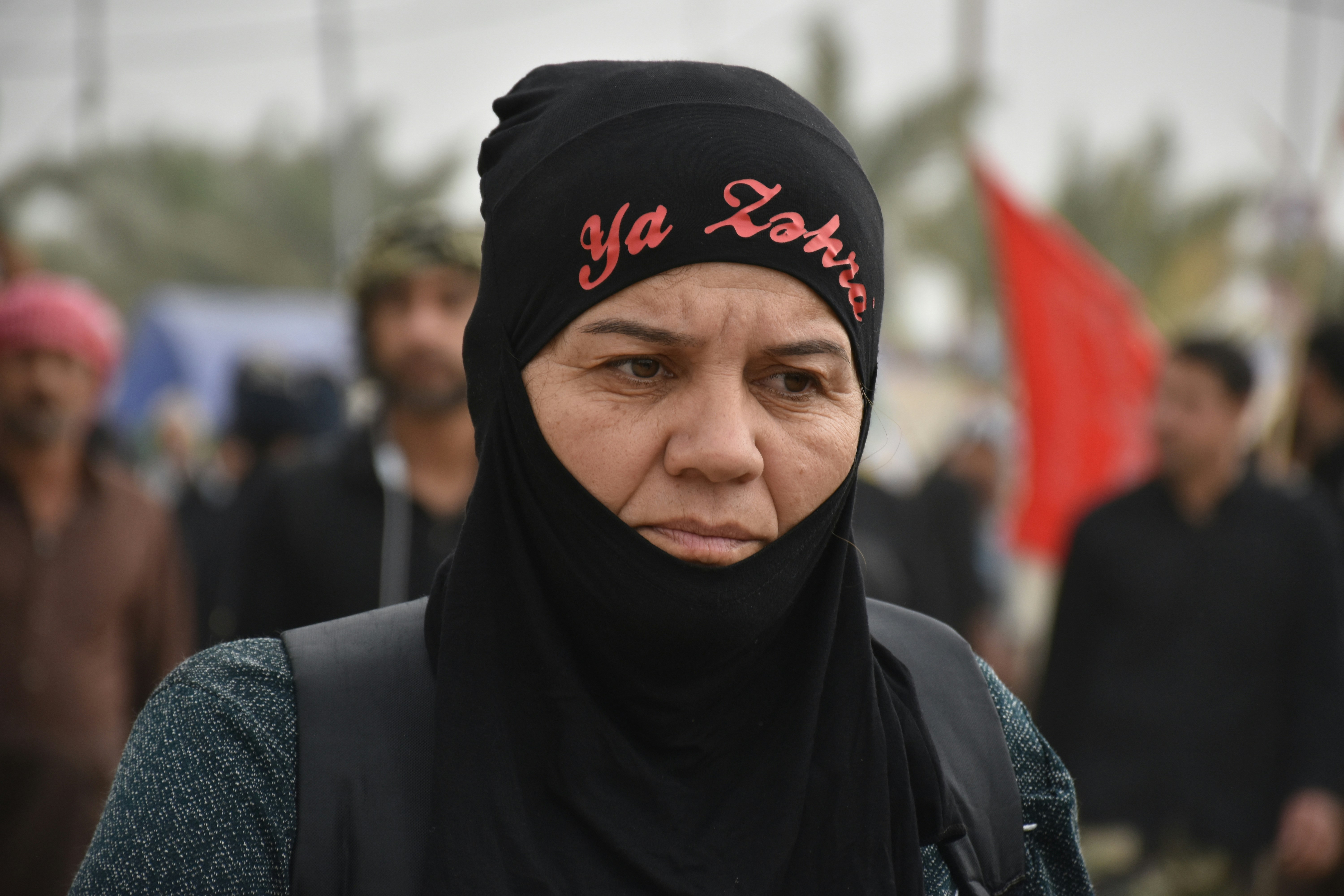
The lessons drawn from Imam Hussain R.A’s life encompass the importance of empathy, courage, and solidarity within communities. During Moharram, the Muslim community engages in acts of mourning and reflection, not just to commemorate the tragic events of Karbala but to internalize the values imparted by Imam Hussain R.A. These observances materialize in various forms, such as communal gatherings, prayers, and educational discussions, thus fostering a greater sense of identity among Muslims globally. The philosophy of unity and standing together against oppression resonates particularly well in modern socio-political contexts, making Moharram an important period of collective remembrance and reaffirmation of faith.
As contemporary societies continue to grapple with various forms of injustice and discrimination, the lessons from Karbala serve as a reminder of the enduring relevance of these values. Imam Hussain R.A not only became a symbol of resistance but also instilled a sense of hope among those who feel marginalized. The annual observance of Moharram reinforces the collective memory of such struggles, acting as both a mourning period and a catalyst for social justice advocacy. Through reflecting on his legacy, individuals are encouraged to engage actively in their communities and uphold the principles of justice and integrity exemplified by Imam Hussain R.A.