
Historical Context of Ashura
The events surrounding Ashura have deep historical roots, primarily situated within the socio-political milieu of 7th-century Arabia. After the death of the Prophet Muhammad in 632 CE, the Muslim community faced a significant schism regarding leadership. This discord gave rise to the Umayyad dynasty, which emerged as the ruling power despite the disputes regarding its legitimacy. The ascent of Yazid ibn Muawiya in 680 CE epitomized this contentious trajectory. His claim to the caliphate was met with resistance from those who believed he embodied tyranny and moral decay, thereby threatening the core values of Islam.
Amidst this tense political atmosphere, Imam Hussein, the grandson of the Prophet Muhammad, refused to pledge allegiance to Yazid, deeming his rule unjust and a deviation from genuine Islamic principles. Hussein’s stance was not merely a personal dissent; it symbolized a broader struggle against oppression and the manipulation of religious tenets for political gain. Hussein’s position attracted a coalition of supporters who recognized the urgent need for ethical governance. The convergence of these social and political dynamics culminated in the tragic events of Ashura.
The historical significance of the second day of Ashura cannot be overstated. It serves not only as a commemoration of a pivotal moment in Islamic history but as a reminder of the enduring struggle against tyranny. Key figures involved, such as Abbas ibn Ali, Hussein’s half-brother, exemplified heroic loyalty and courage during these difficult times. The resistance put forth by these individuals at Karbala has galvanized generations, solidifying the legacy of those who stood against oppression. The lessons drawn from this period remain relevant, encouraging continued vigilance against injustice.
Events of the 2nd Day in Karbala
The 2nd day of Ashura is marked by a series of critical events that unfolded in the arid plains of Karbala, further solidifying the stand of Imam Hussein and his companions against oppression. Following the initial confrontations on the 1st day, the situation intensified as the forces of Yazid began to gather in greater numbers, determined to crush what they perceived as a rebellion. Throughout the day, Imam Hussein remained steadfast in delivering powerful orations, emphasizing the values of justice, truth, and faith that his family represented. His speeches resonated with both his companions and the enemy forces, as he urged them to reflect on their choices and allegiances.
As the sun rose higher in the sky, skirmishes erupted between Imam Hussein’s loyalists and Yazid’s troops. Despite being heavily outnumbered, the courage exhibited by Hussein’s companions was nothing short of remarkable. Each fighter, fully aware of the steep odds stacked against them, showcased unparalleled bravery by standing firm, defending their beliefs with dignity. Among these heroic individuals, Abbas ibn Ali distinguished himself, often making daring trips to the river Euphrates to procure water for the thirsty children and women in the camp. His unwavering resolve became emblematic of the spirit of sacrifice that characterized the day.
As the day progressed, the emotional toll weighed heavily on Imam Hussein and his followers. The realization that they were facing imminent doom only intensified their spiritual resolve. Heartfelt prayers were offered, and poignant farewells were exchanged, reinforcing their camaraderie and devotion to their cause. This atmosphere of profound spirituality and unity punctuated their actions, making the events of the 2nd day in Karbala a harrowing yet ennobling chapter in history. The impact of these moments continues to resonate with millions, serving as a timeless reminder of the struggle against tyranny and the fight for justice.
The Symbolism of Sacrifice and Martyrdom
The events surrounding the 2nd Day of Ashura in Karbala are steeped in profound themes of sacrifice and martyrdom. The valiant stand taken by Imam Hussein and his companions against the oppressive regime of Yazid serves as a powerful symbol of resistance. Their ultimate sacrifice reflects not only a personal commitment to uphold justice but also highlights a universal struggle against tyranny. This pivotal moment in Islamic history underscores the essence of standing firm in the face of oppression, embodying the principles of honor, integrity, and courage.
Imam Hussein’s refusal to pledge allegiance to an unjust ruler, even in the face of death, has transcended mere historical record to become a beacon of hope and resilience. This act of sacrifice signifies the belief that one’s principles are worth risking everything for. The martyrdom of Imam Hussein and his companions is regarded as the epitome of valor, serving as a catalyst for social justice movements across generations. Their unwavering commitment to truth and justice continues to inspire countless individuals to challenge injustices in their own societies.
In a broader context, the narrative of Karbala emphasizes the transformative potential of martyrdom in the fight for rights and dignity. It provides a framework for understanding the principles of human rights within an Islamic narrative, illustrating that the sacrifices made by these revered figures are not merely historical events but rather enduring lessons for future generations. The symbolism of sacrifice in Karbala invites individuals to reflect on their own responsibilities in the pursuit of justice and equality. Ultimately, the legacy of Imam Hussein serves as a reminder that resistance against oppression is not only a religious duty but a moral imperative for humanity.
Commemoration and Its Contemporary Relevance
The second day of Ashura, a pivotal moment in the events of Karbala, is commemorated annually with profound significance. It marks not only the aftermath of the battle that exemplifies the struggle against tyranny but also serves as a testament to the importance of standing up for truth and justice. During the month of Muharram, various cultural and religious practices arise that highlight the lessons learned from the sacrifices made by Imam Hussein and his followers.
One of the most noticeable ways in which this day is observed is through public mourning rituals, including the recitation of elegies and lamentations that honor the memory of those who sacrificed their lives for their beliefs. Majlis gatherings are held in homes and community centers, where individuals come together to reflect on the events of Karbala. These gatherings provide a solemn space for the sharing of stories, poetry, and spiritual reflections, offering community members an opportunity to connect with their heritage and reinforce the values of justice and resilience.
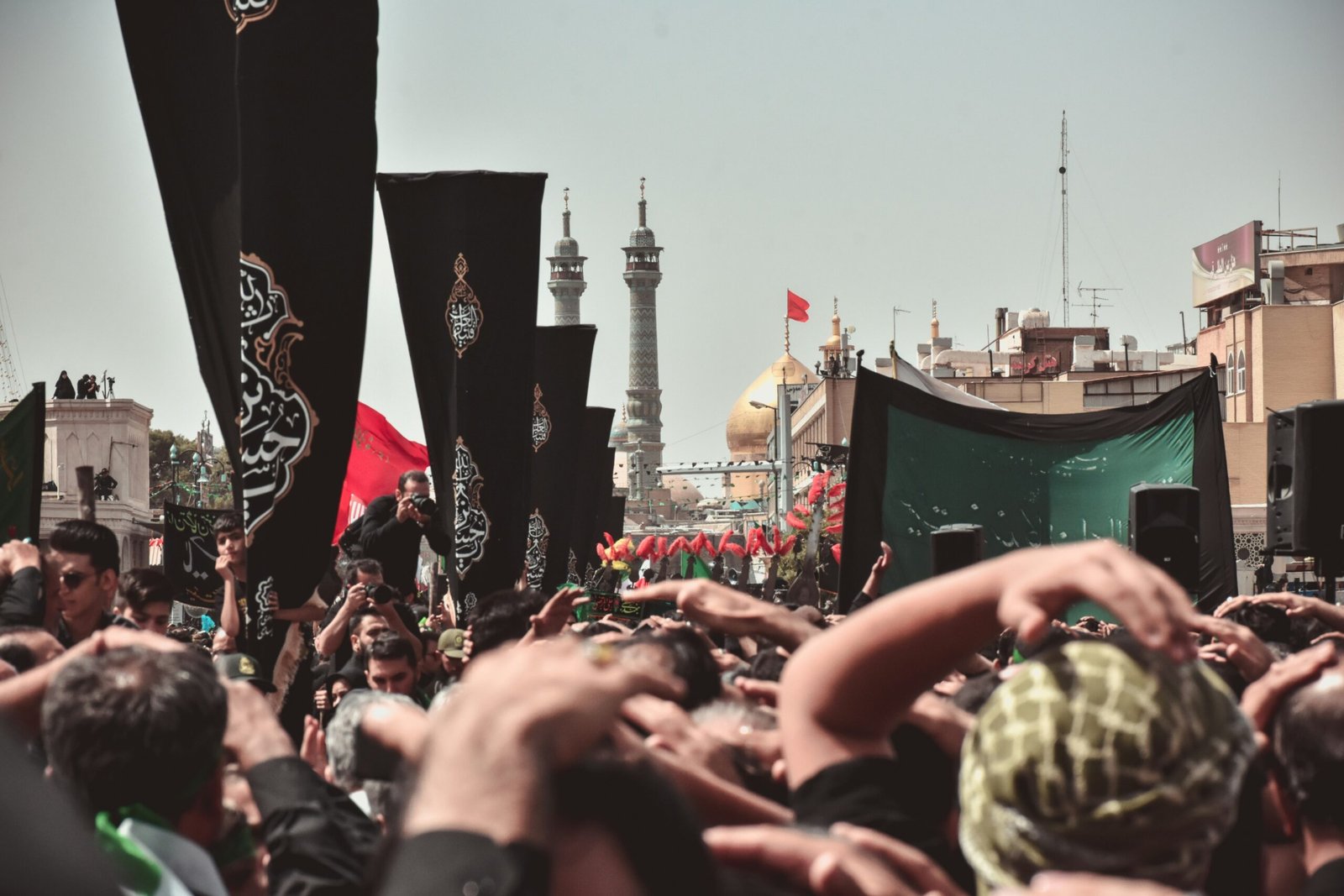
Additionally, many communities participate in processions and parades featuring symbolic displays of grief and solidarity, such as carrying flags, banners, and sometimes engaging in acts of self-flagellation. These acts, while deeply rooted in tradition, also emphasize the need for awareness regarding contemporary issues such as injustice, inequality, and oppression. The teachings from the second day of Ashura continue to resonate in discussions surrounding human rights and ethical governance, prompting individuals to consider their roles in advocating for justice.
Through the commemoration of the second day of Ashura, communities worldwide are reminded of the enduring relevance of the events at Karbala. The principles of courage, sacrifice, and standing against oppression inspire modern movements for justice and serve to unite individuals in a shared pursuit of moral integrity amidst the complexities of today’s societal challenges.